Sustainability in Photography…
This page explores how I approach sustainability across both digital and film practiceslooking at the choices, methods, and materials that shape a more mindful way of creating.
From low-impact digital workflows to thoughtful film usage and alternative processes, my aim is to reduce waste, extend the life of what I use, and make imagery with intention. Sustainability isn’t a limitation for me; it’s a creative framework that encourages slower, more considered, and more responsible storytelling.
Processes…
Anthotypes
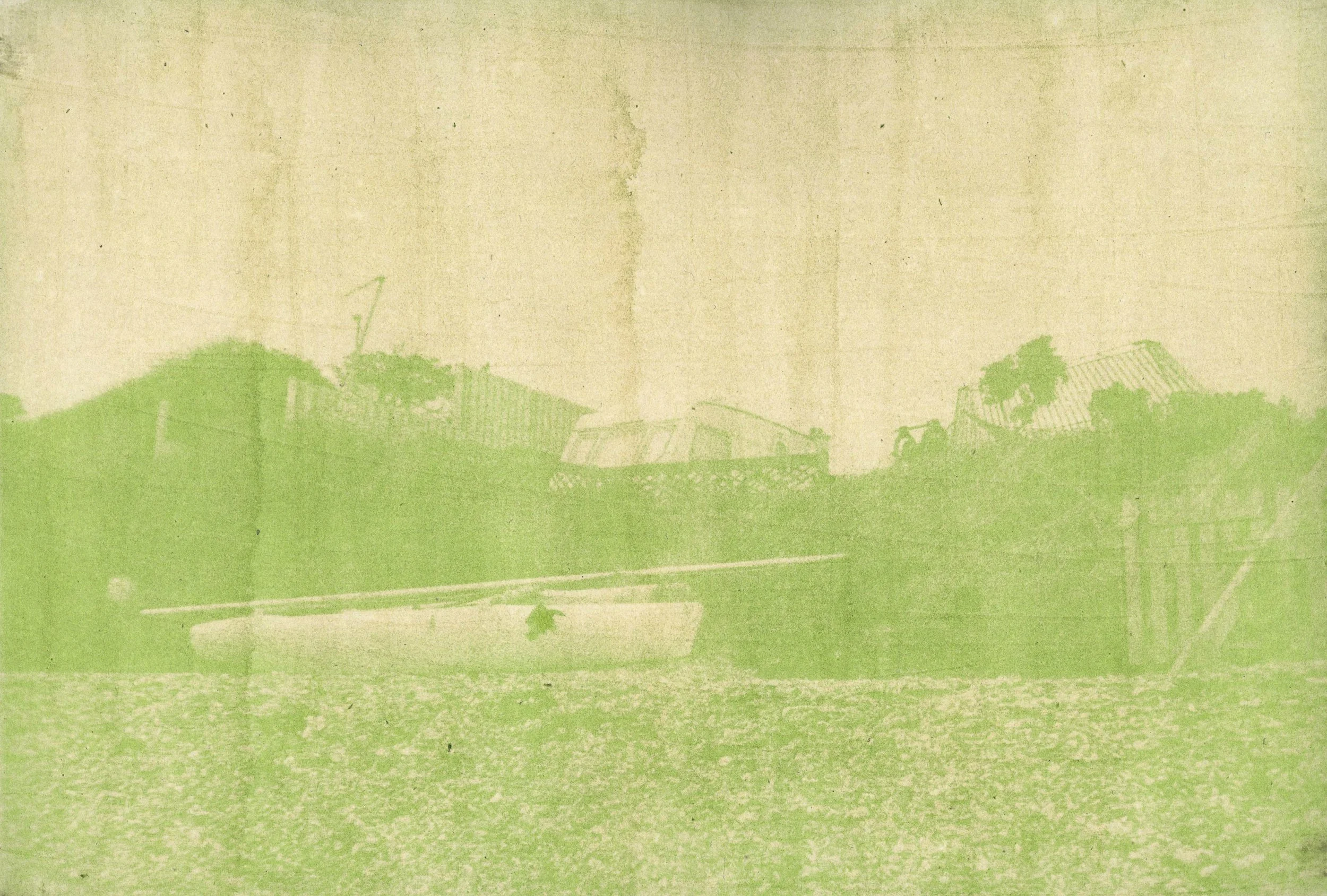
Sustainable living is becoming more and more important in recent times and creative processes are no exception. This is why I am constantly experimenting and working with alternative photographic methods which are not harmful to our precious planet. The anthotype process involves extracting chlorophyll from plants and using this light sensitive substance to create prints in natural sunlight.


Plant Developers
The below images are from the project, "Where do the Children Play?". Shot using sustainably sourced film, developed in seaweed developer using seaweed from Clevedon Beach. The plants based developers are non-toxic and are a sustainable alternative to regular photographic developers.

Seaweed Developer

Potato Developer
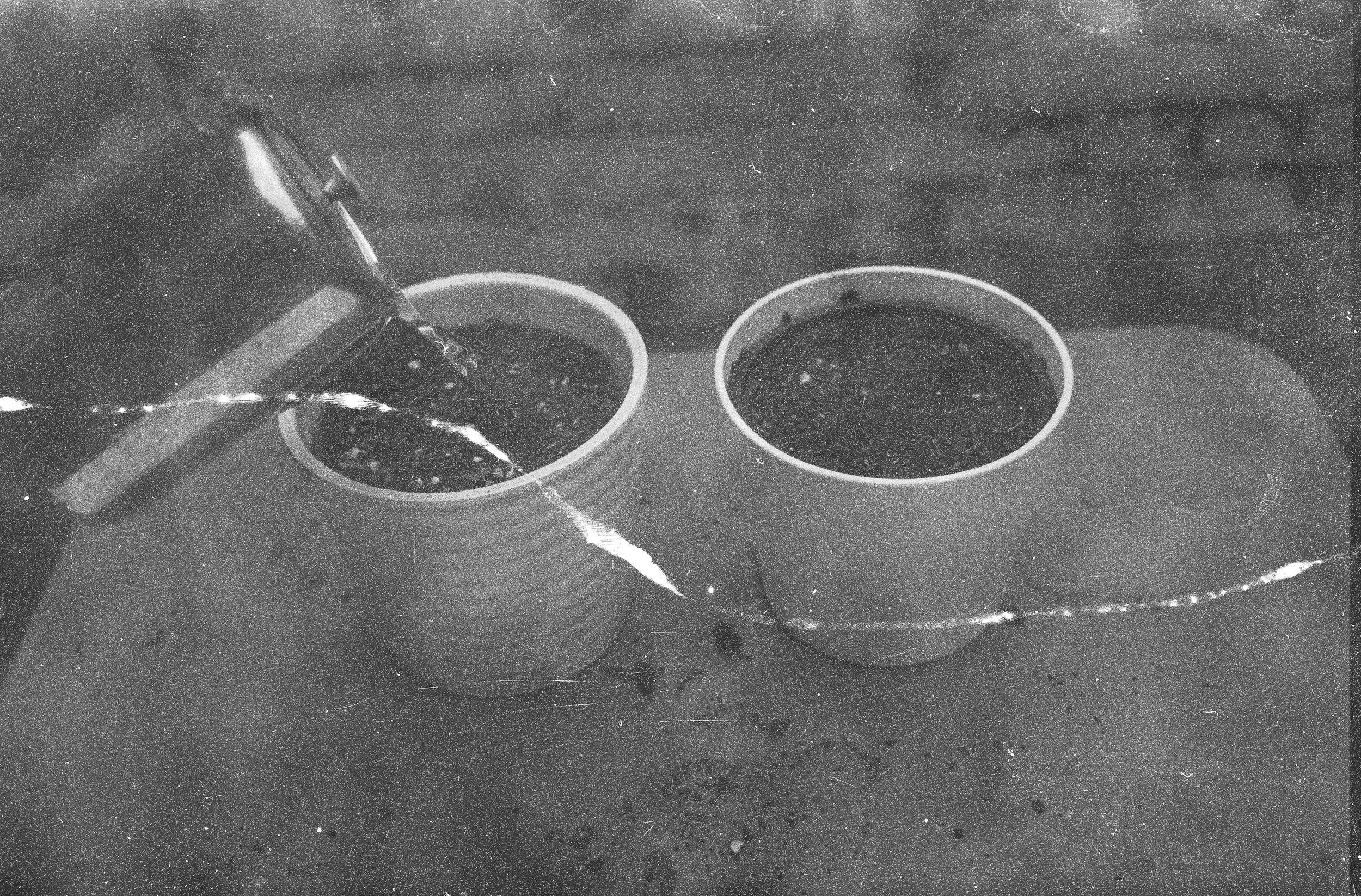
These images are from the project "Machucada" for Hot Potato. A project about the tourist town of Albufeira in Portugal and the changes in the food industry post Covid19. These images were shot on black and white film and developed in a handmade developer made from left over potato skins. Typical film developers are very toxic and when disposed can have negative impacts on our environment. Using a plant based developer is a much more sustainable and eco friendly method.


Mushroom and Seed Paper
The below series of images demonstrate the planting of handmade mushroom and seed paper. I create the paper using left over paper scraps, mushrooms foraged from a local forrest and basil and coriander seeds. The paper was created with its inevitable disposal in mind. When the paper eventually returns to the earth and soil, the seeds will grow making new plants, and the decay of the mushrooms will contribute to a healthy soil. The images below were taken on black and white film and developed using handmade potato developer made from left over potato skins.


Cyanotypes
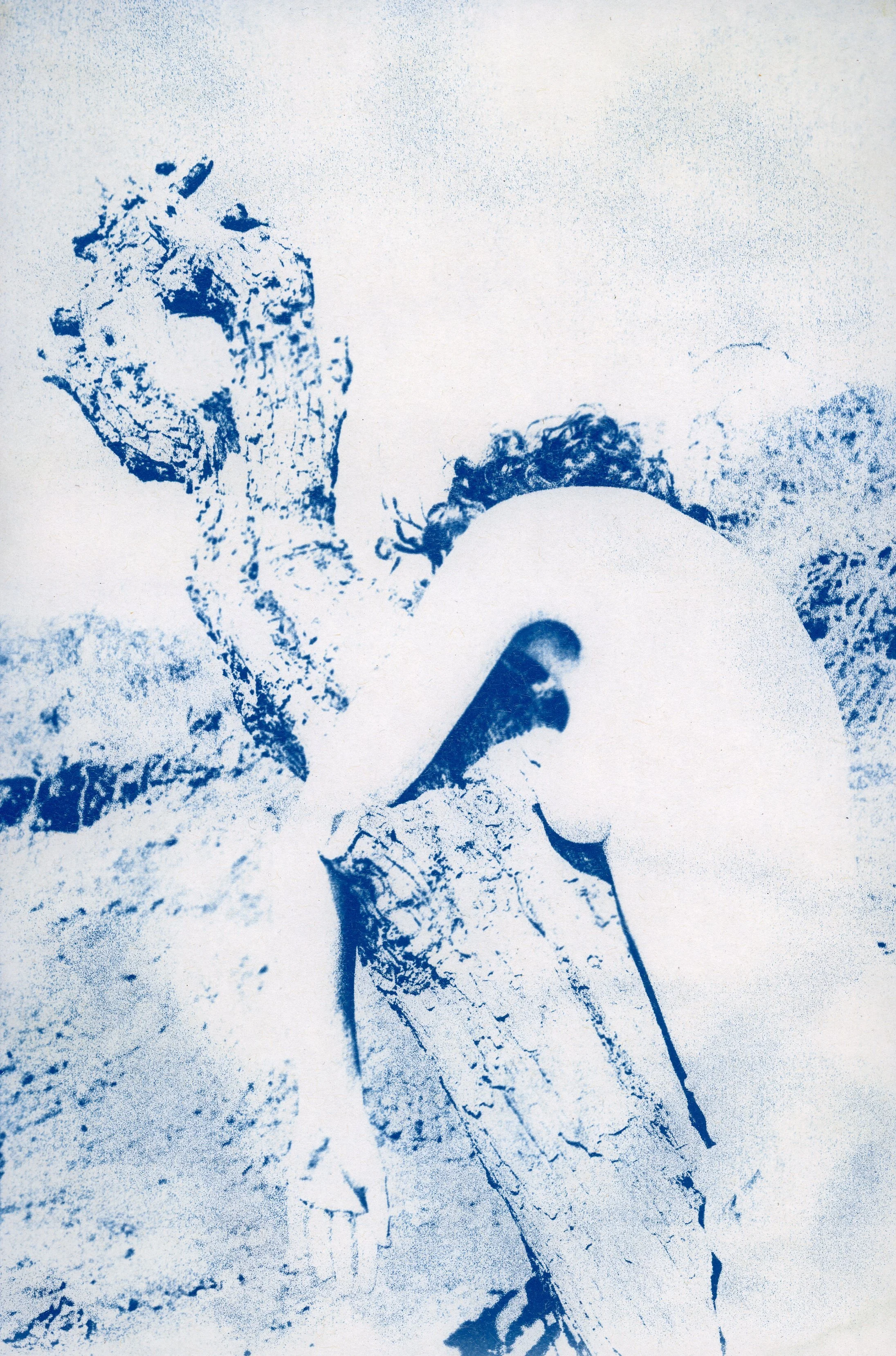
Cyanotype prints from“Where do the Children Play?”. The cyanotype process is the traditional blueprint method. To create these prints I coated recycled paper with the light sensitive cyanotype chemicals and used acetate negatives of my images and natural sunlight to expose the images onto the paper. Though this method still uses chemicals, the chemicals have a much lower toxicity than typical chemicals used in darkroom printing and thus make the process less harmful to our planet and environment.